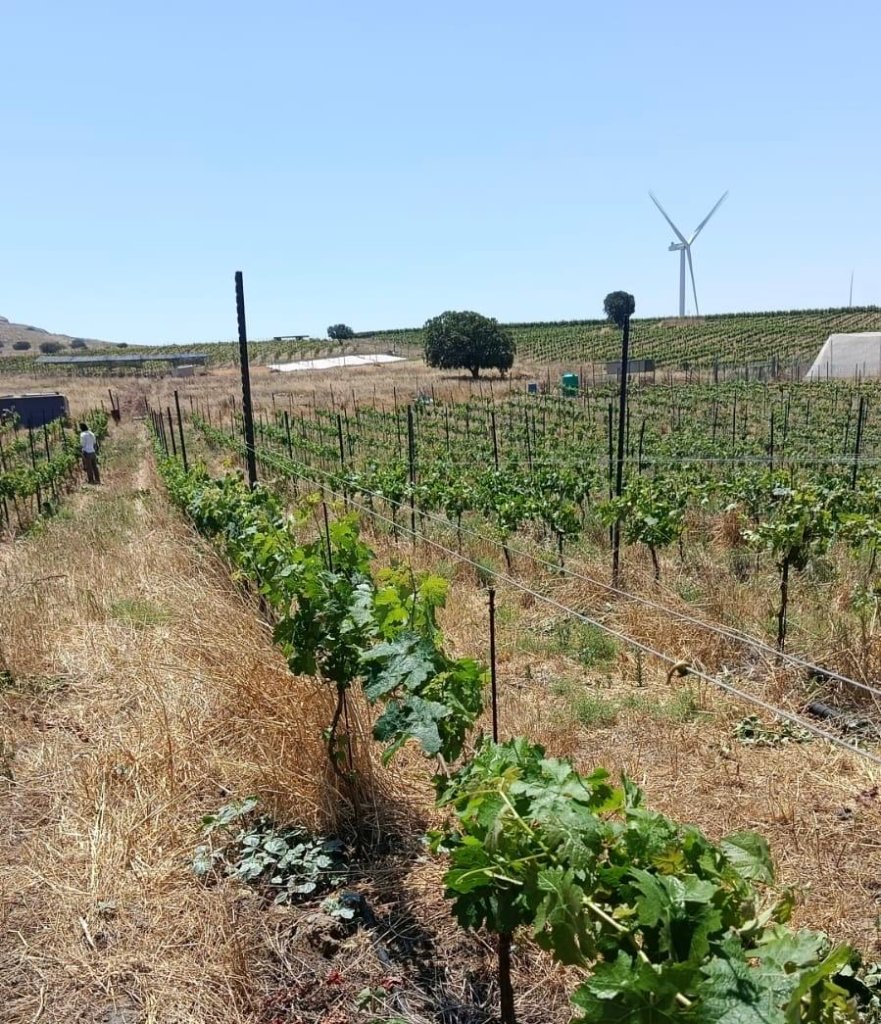
Rebuilding capability starts with connection.
A rehabilitation program for Israeli veterans that combines winemaking, trauma-focused therapy and community.
Explore the ProgramThe Reality
58%
of new rehabilitation cases among veterans since October 7 are related to mental health.
31,000
veterans currently receiving mental health support.
1 : 850
one caseworker for every 850 veterans with PTSD.
What's Missing
Many veterans are left feeling under-supported and left to navigate life after service on their own.
Our Response
We combine winemaking, trauma-focused therapy, and community into a structured rehabilitation program for Israeli veterans.
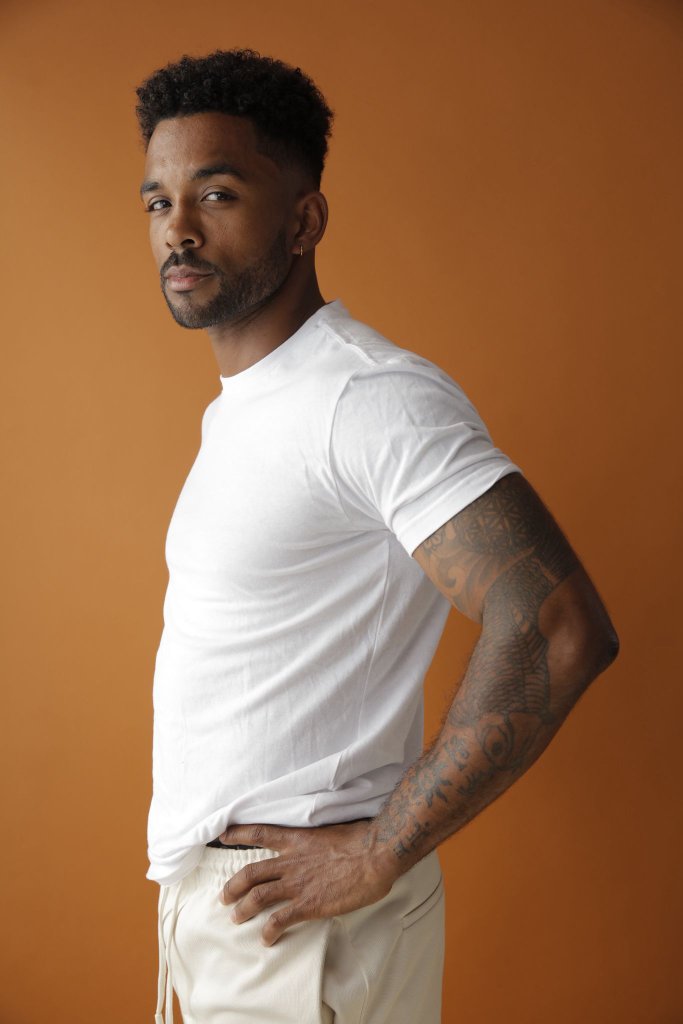
From One Veteran to Another
Three weeks into combat in Gaza, a conversation between two soldiers revealed a need that would eventually become the foundation of Kol HaAdama.
After weeks of fighting, one teammate opened a letter from home and struggled to hold back emotions he had spent a lifetime keeping buried. Standing together in the middle of a damaged house, the two embraced as grief, fear, and exhaustion finally surfaced.
That moment felt familiar.
Like many veterans, Kol HaAdama founder Havneh Feder-Haugabook had spent years navigating the effects of trauma while trying to maintain the responsibilities of everyday life. Through his own experience with therapy, reserve duty, and recovery, he came to understand that veterans need more than treatment alone. They need community, purpose, meaningful work, and people who understand what they have been through.
Veterans need the tools to navigate what they carry long after service has ended.
Kol HaAdama was created to bring those elements together in one place.
How It Works
Therapy
EMDR therapy, somatic therapy, and professional guidance help participants process trauma and develop emotional tools.
Meaningful Work
Participants take part in vineyard and winery work, from vineyard preparation and planting to harvest and seasonal operations.
Community
Participants build relationships with fellow veterans who share similar experiences and continue providing support beyond the program itself.
Moving Forward
Participants leave the program with greater self-confidence, stronger emotional tools, practical skills, and a meaningful framework for the road ahead.

